THE METHOD.
An account of how the Eralonik guidance framework is constructed, maintained, and applied — from the research sources it draws on to the practical steps of a guidance programme.
Observe
The first phase of every guidance engagement is observation — of existing eating patterns, meal cadence, cooking habits, seasonal food access, and the individual's relationship to physical activity.
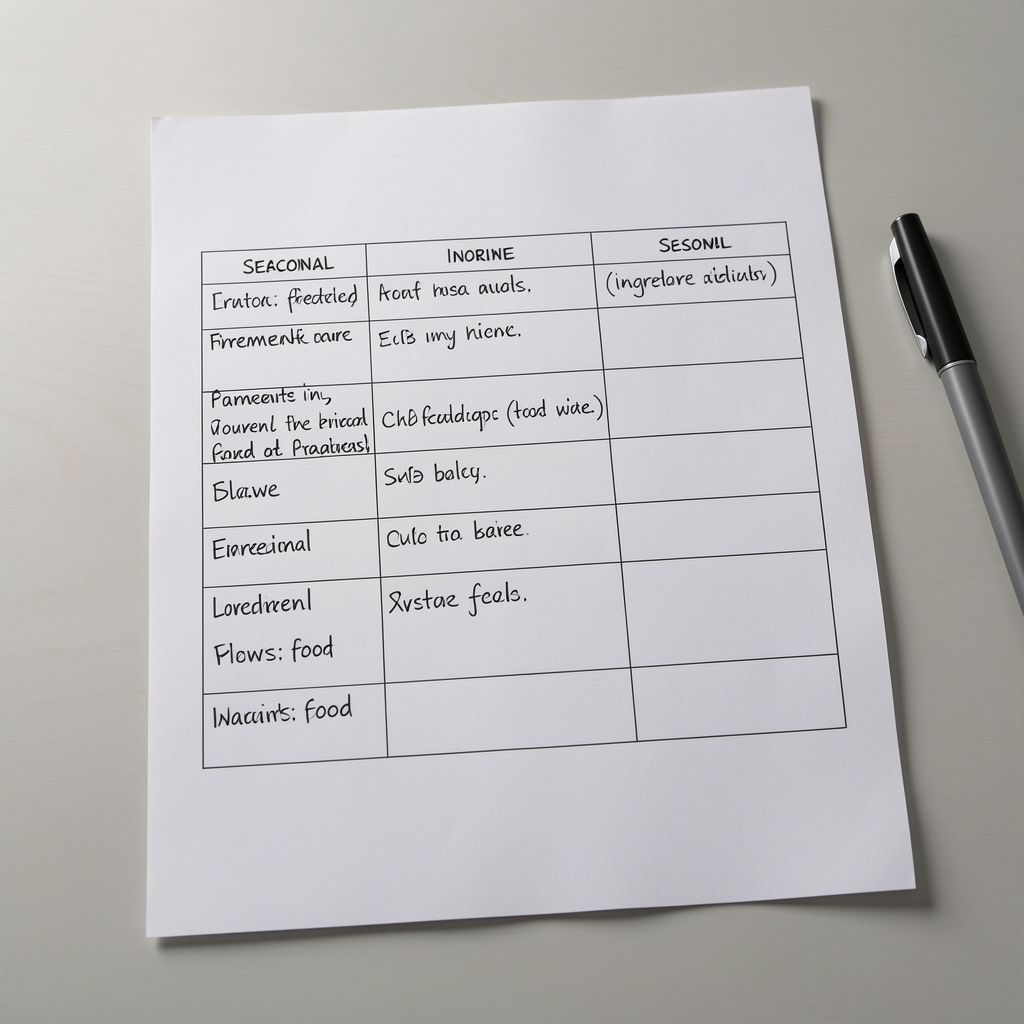
This phase resists the impulse to intervene before the situation is understood. A two-week written food record, submitted before the second session, forms the primary document of this phase. It is reviewed without judgment — as raw data about how a person actually eats, not how they intend to eat.
Compose
With observation in hand, a daily food protocol is composed — not as a prescriptive meal plan, but as a flexible framework that accounts for seasonal availability, cooking access, and the individual's existing preferences.
The composition draws on published nutritional research for its macronutrient and micronutrient balance, and on whole-food sourcing principles for its ingredient selection. The result is a written document — a food architecture that is specific enough to be actionable, but loose enough to be lived.
Sustain
The third phase — and the longest — is the period of habit formation. Fortnightly sessions in this phase review what is holding, what is not, and where the framework needs adjustment.
Nutritional habits do not stabilise in weeks — the research on habit formation consistently points to periods of six to twelve weeks before new patterns become self-sustaining. The sustain phase is built around that reality.
What the framework
is built on.
The Eralonik framework draws primarily from peer-reviewed research in nutritional science, published in journals with robust editorial standards. The research base is updated continuously — a standing reading practice that covers newly published work in gut microbiome research, macronutrient metabolism, dietary behaviour, and the growing literature on food-habit formation.
Ingredient profiles in Eralonik guidance are selected based on published nutritional research and undergo independent batch verification for quality and labelling accuracy.
The framework acknowledges the genuine uncertainty in nutritional science. Where the research base is contested or preliminary, this is communicated directly — guidance is calibrated to the strength of the available evidence, not to a confident simplification of it.
Ingredients that can
be traced to origin.
When Eralonik guidance recommends specific food categories — particular grains, fermented products, seasonal produce varieties — those recommendations are grounded in a working knowledge of how those foods are grown, processed, and available across the UK food market.
Active ingredients are sourced from documented suppliers, with each batch accompanied by a certificate of composition. Sourcing prioritises suppliers whose facilities maintain food-grade processing standards.
Guidance is calibrated to seasonal availability — not in an aspirational sense, but as a practical structuring principle. A food protocol built around what is genuinely available and nutritionally dense at a given time of year is a more sustainable one.
Seasonal Produce Orientation
Recommendations follow the UK seasonal calendar. Spring leafy greens, summer berries and cucumbers, autumn squash and brassicas, winter roots and ferments — each with distinct nutritional profiles and practical sourcing guidance.
Fermentation Knowledge
An active fermentation practice — sourdough, lacto-fermented vegetables, kefir, kombucha — informs the guidance on fermented-food integration. Recommendations are practical, not theoretical.
Whole-Grain Literacy
Guidance on grain selection — between refined and whole-grain variants, between ancient and modern varieties — is grounded in published comparative nutritional data and in practical cooking experience with each grain type.
Minimally Processed Preference
The framework has a consistent preference for minimally processed ingredients — not as a rigid rule, but as a practical starting point that results in greater micronutrient density and fibre content across the daily plate.
How guidance is recorded and reviewed.
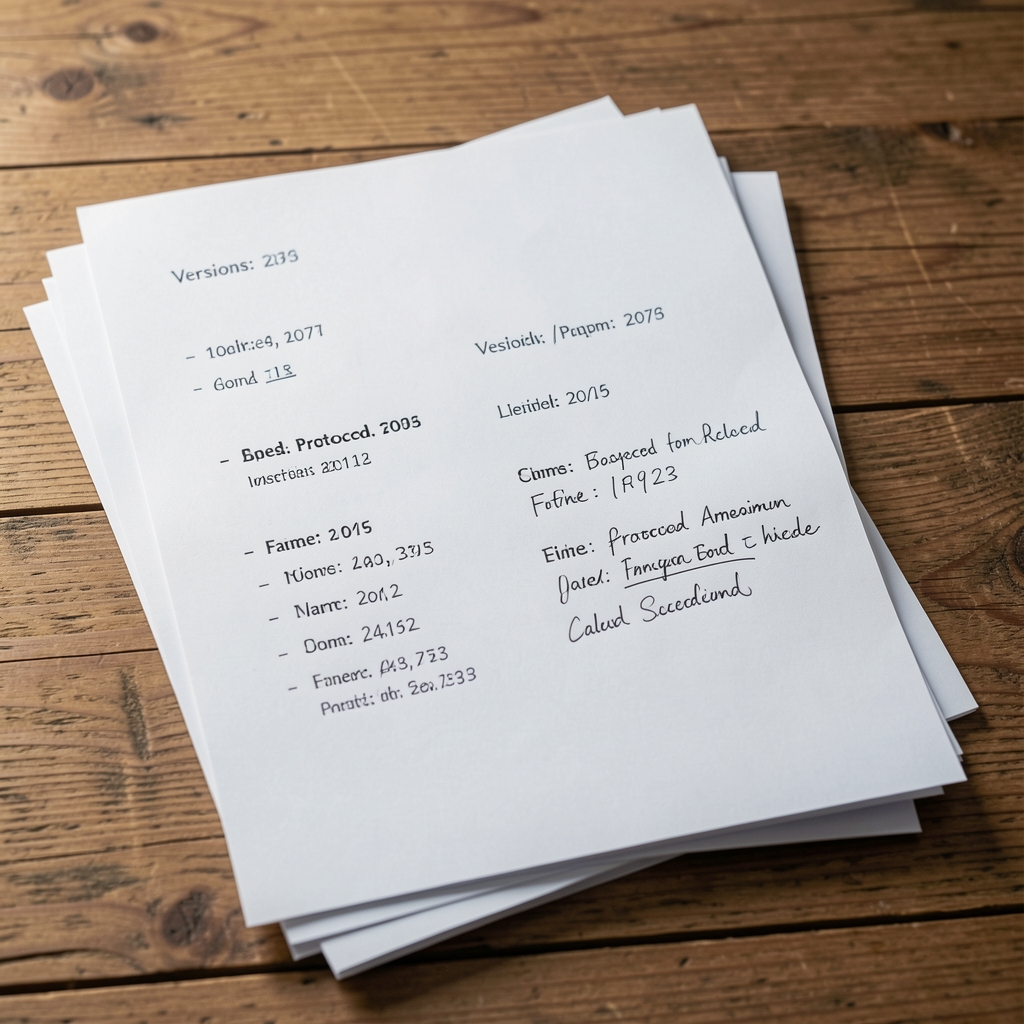
Every Eralonik guidance engagement produces a documented record. The initial consultation generates a written observation summary. Each programme session produces updated session notes. The food protocol document is versioned — each revision is dated and filed alongside the earlier version so the arc of change is legible over time.
This documentation practice serves two functions. For the individual, it creates a legible history of the guidance engagement — something to return to, to compare against, to understand the actual pace of change. For the practice, it creates an archive of cases that informs the ongoing refinement of the methodology.
Documentation follows standard food-record and nutritional-assessment conventions. No proprietary scoring systems or trademarked assessment tools are used. The record belongs to the individual.
Written Records
All session notes and food protocol documents produced in written form and provided to the individual.
Version Control
Protocol documents are versioned. Each revision dated and archived alongside the previous version.
Research Traceability
Key recommendations cite their research basis in the documentation — accessible language, verifiable sources.


Food first.
Supplements second.
The Eralonik framework begins with whole food as the primary source of every nutrient the daily diet requires. Nutritional food-supplements, where they are discussed within a guidance programme, are considered only after a whole-food protocol has been established — and only where the published research base supports a specific nutritional role for supplementation.
Eralonik products are nutritional food-supplements registered with the applicable local regulatory authority under food-supplement classification. Products meet compositional and labelling requirements for nutritional supplement categories.
We recommend speaking with a qualified wellness or nutrition professional before introducing any supplement to your daily routine, particularly if you have specific dietary requirements.
Begin with observation.
Every guidance engagement starts with a listening session. No framework is introduced until the individual's food environment is understood. The methodology begins, in practice, with a conversation.